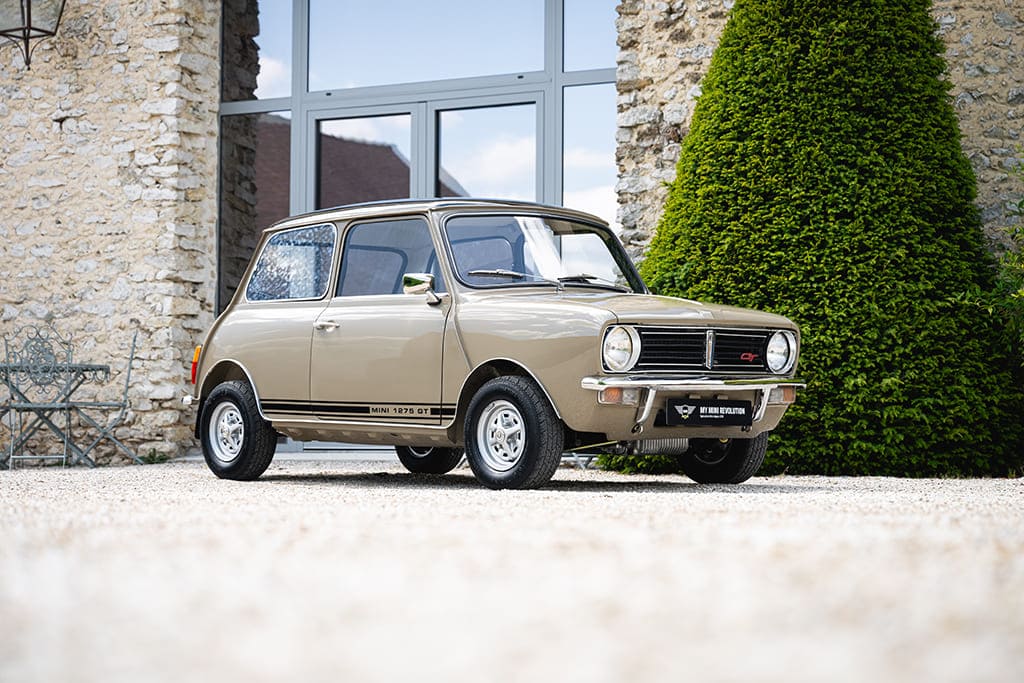
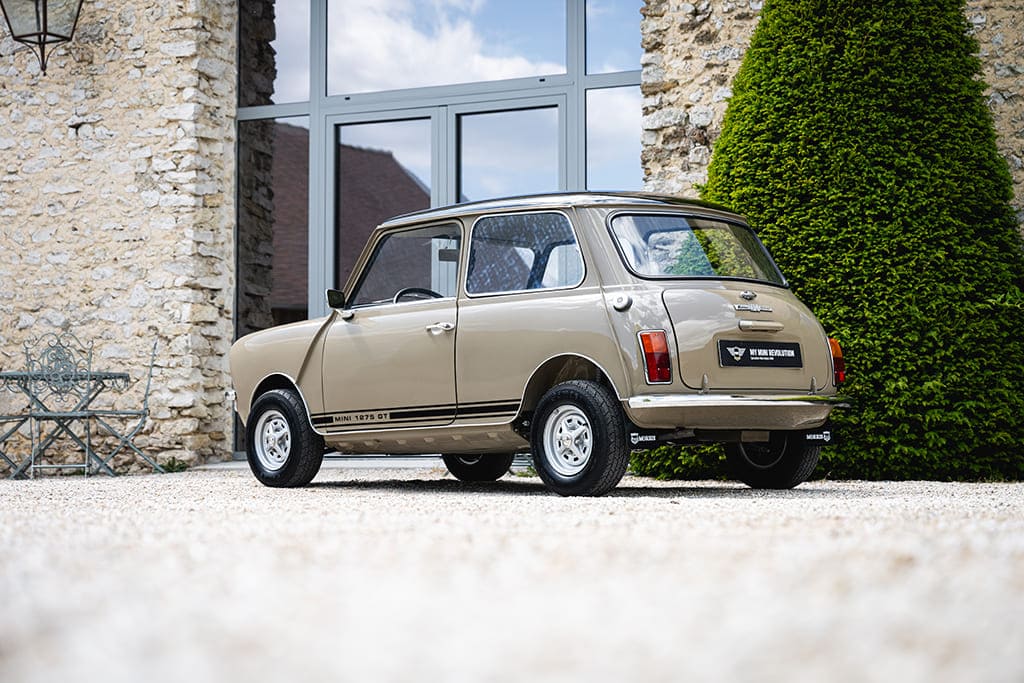
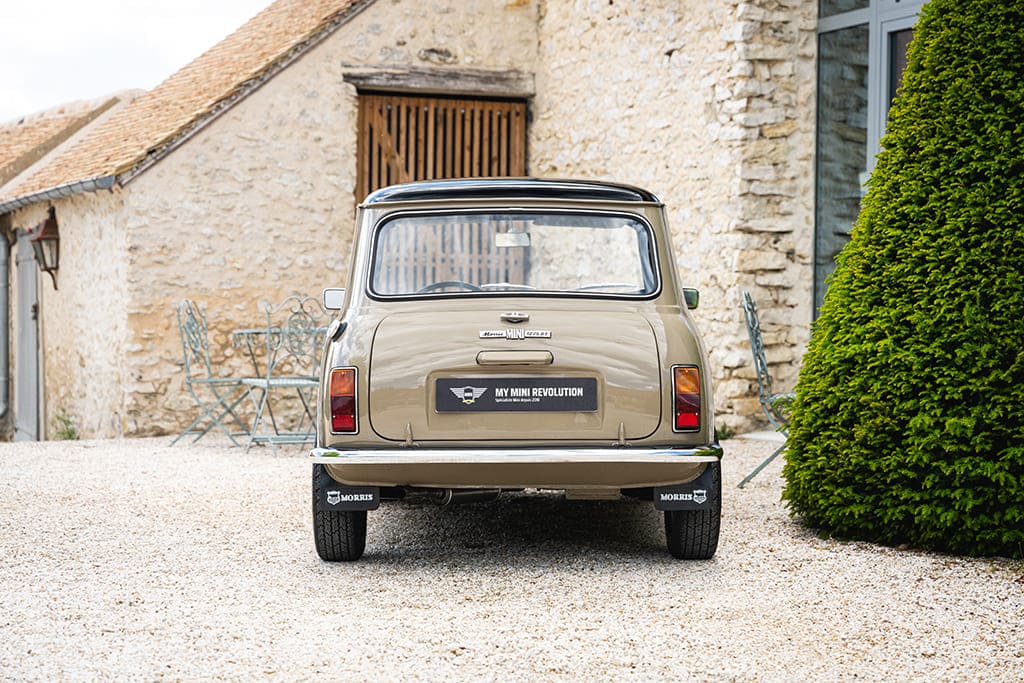
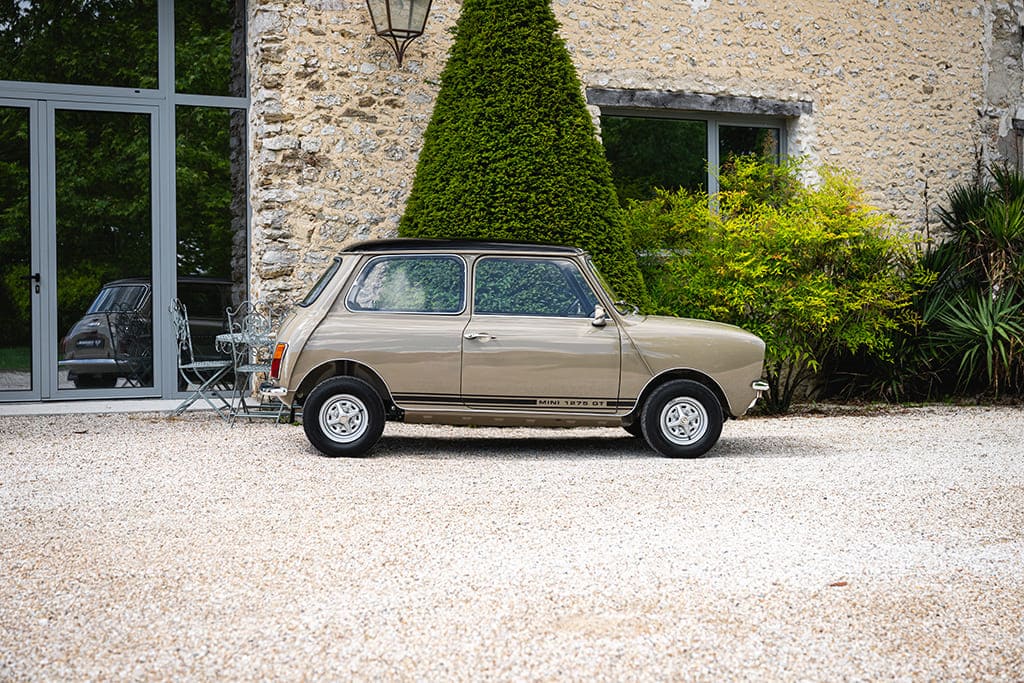
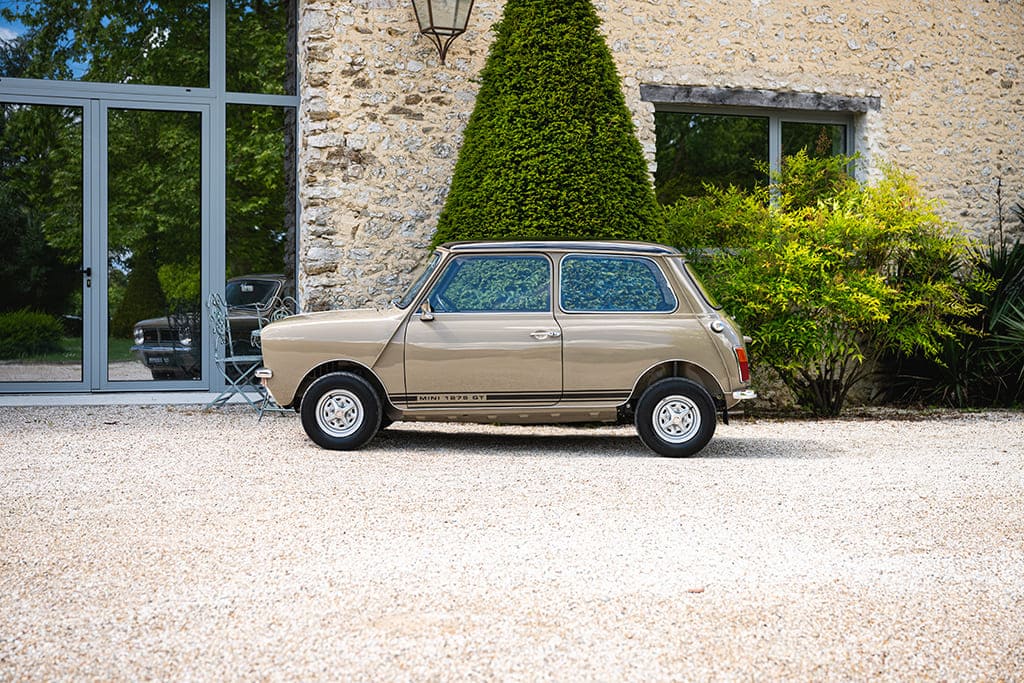
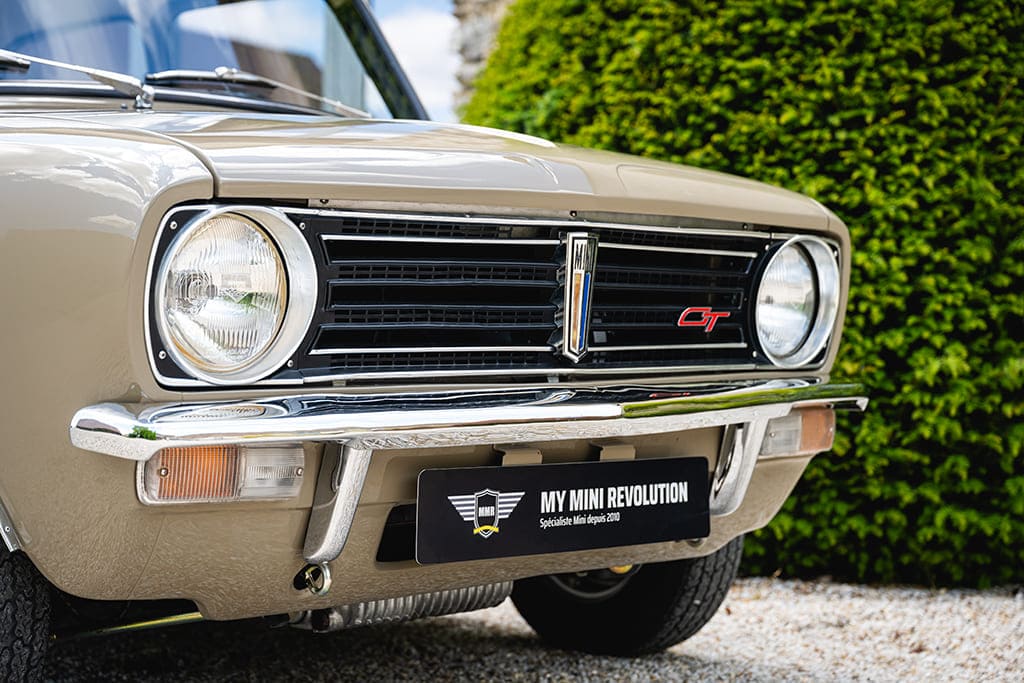
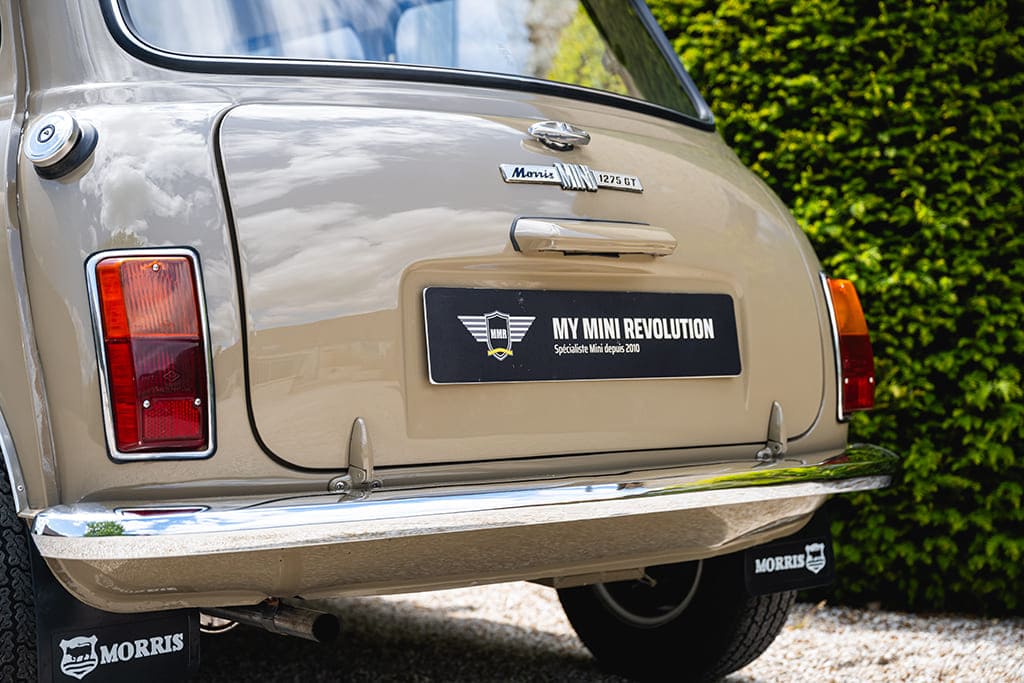
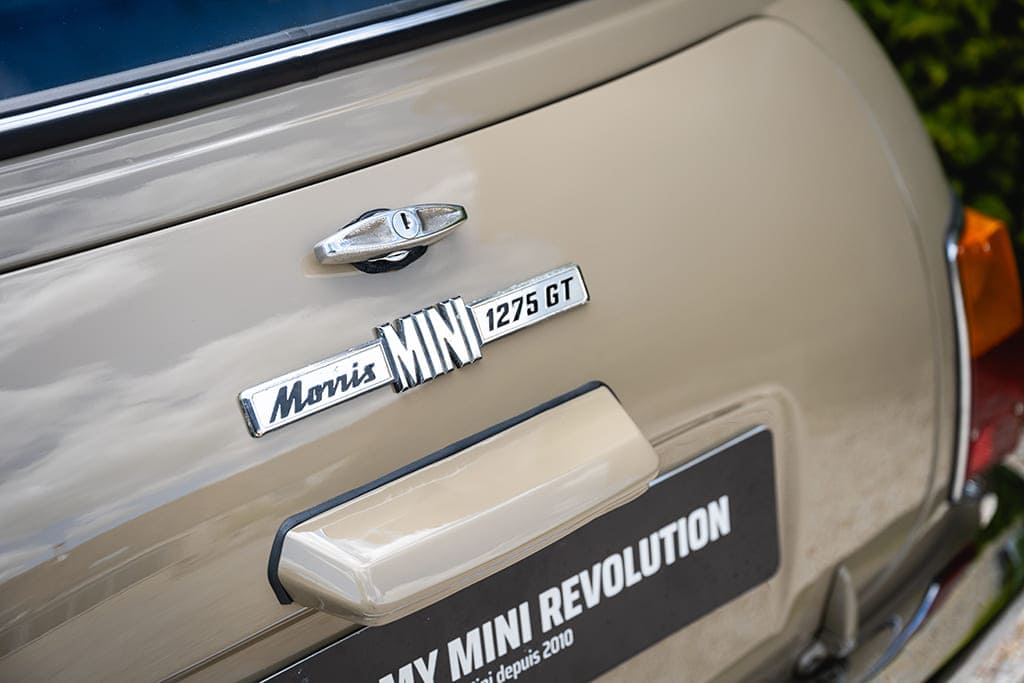
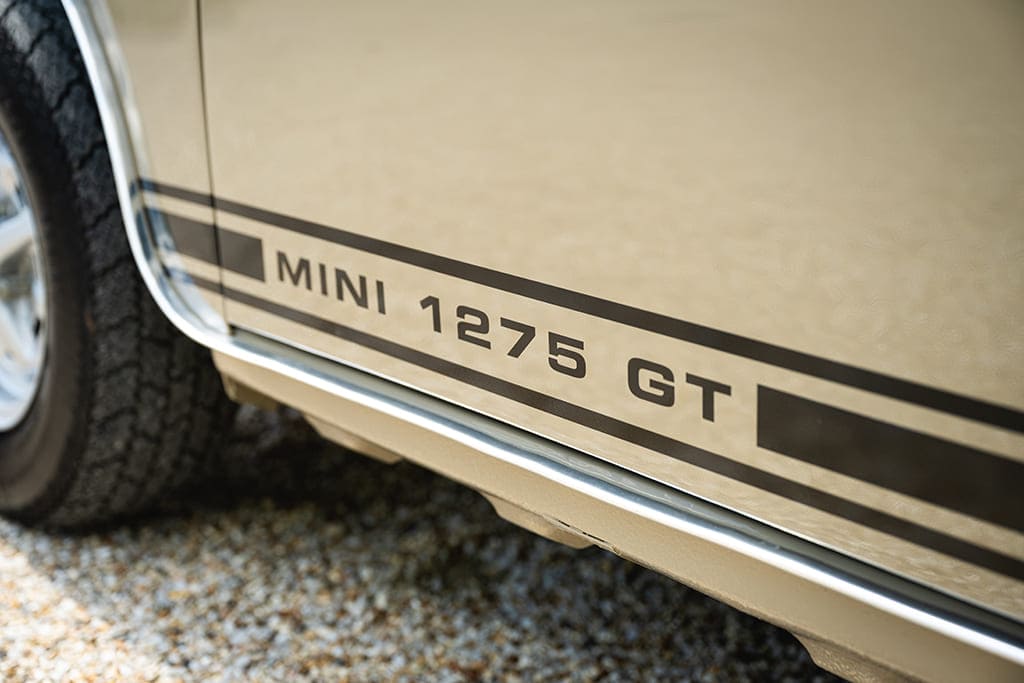
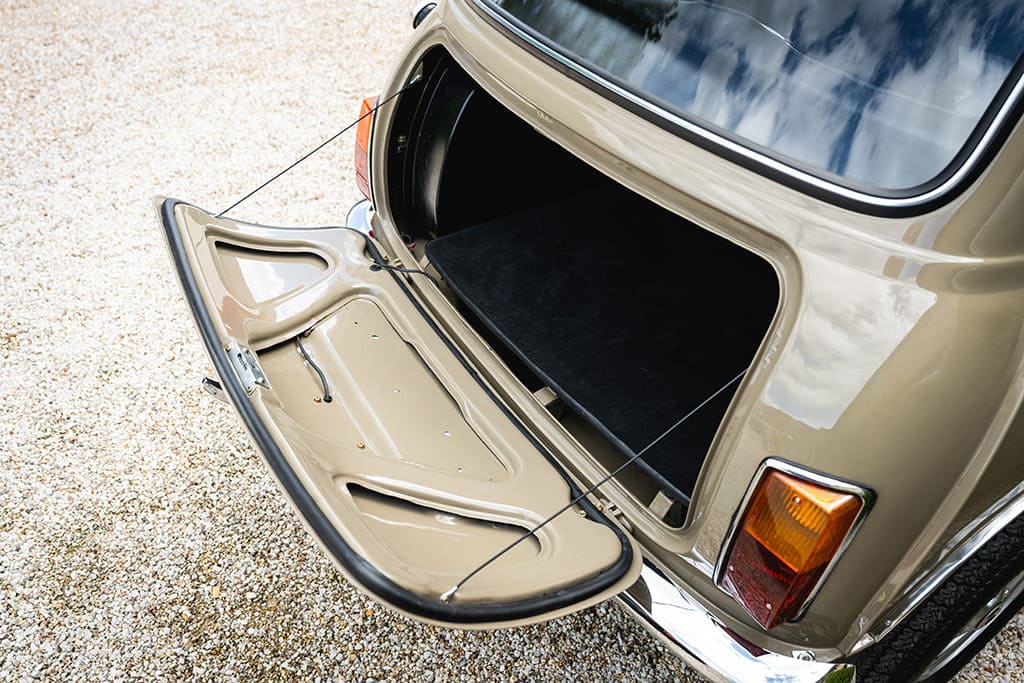
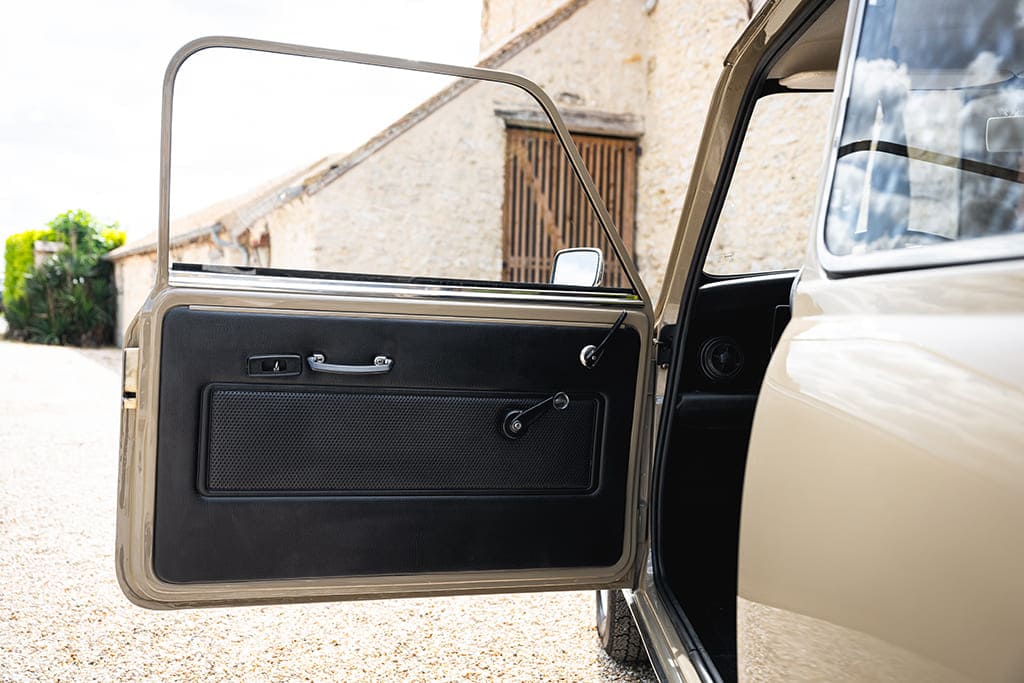
January 1971. Under the British Leyland era, one of the very first Morris Mini 1275 GTs of this generation is born!
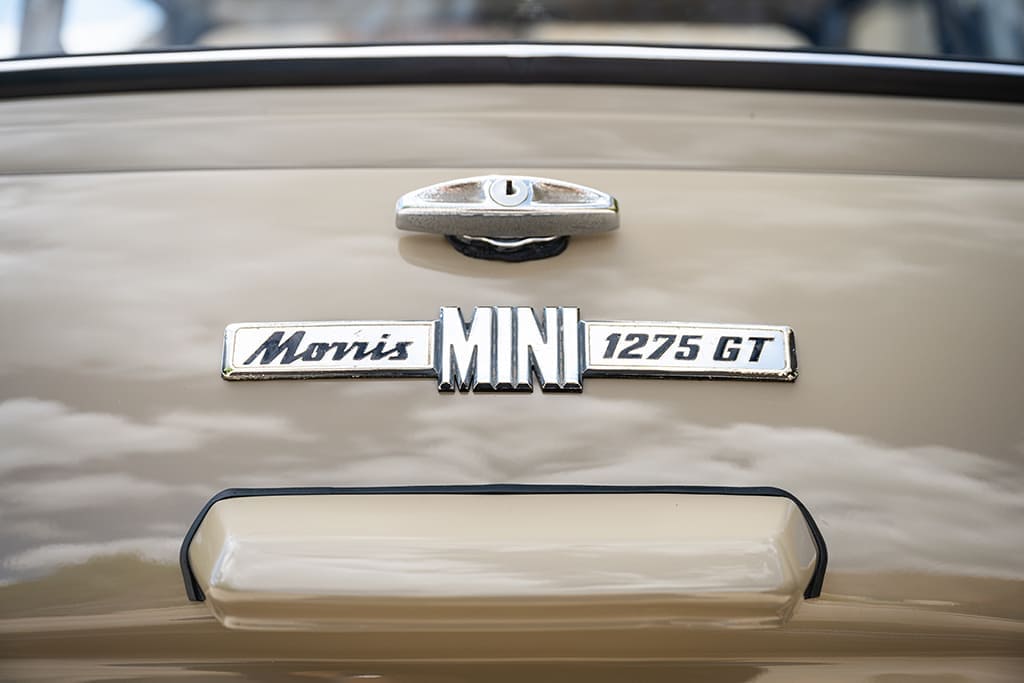
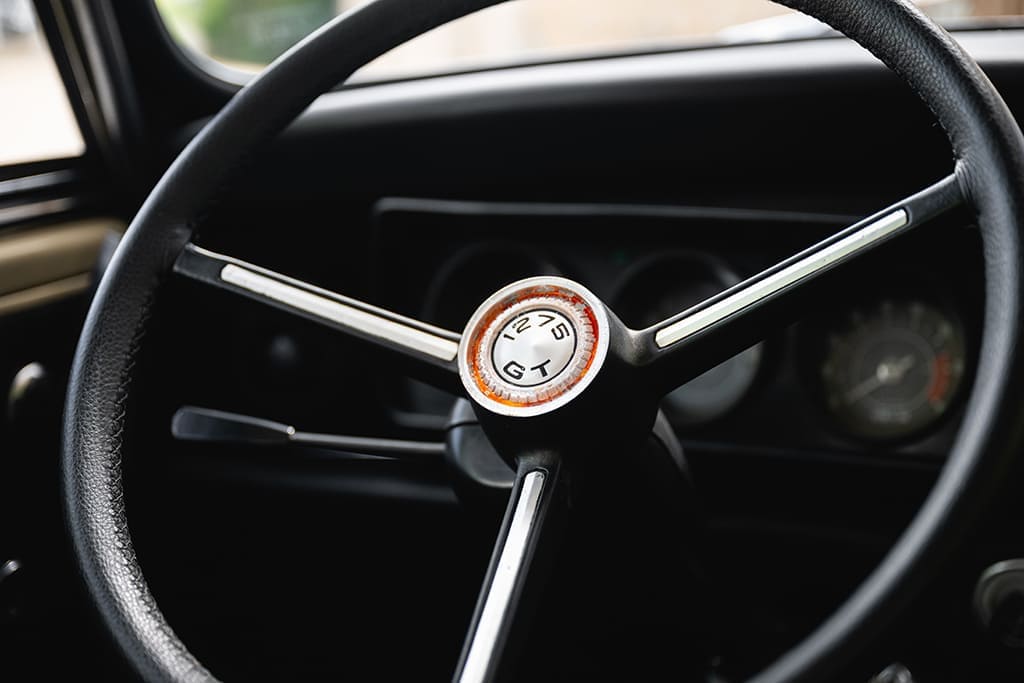
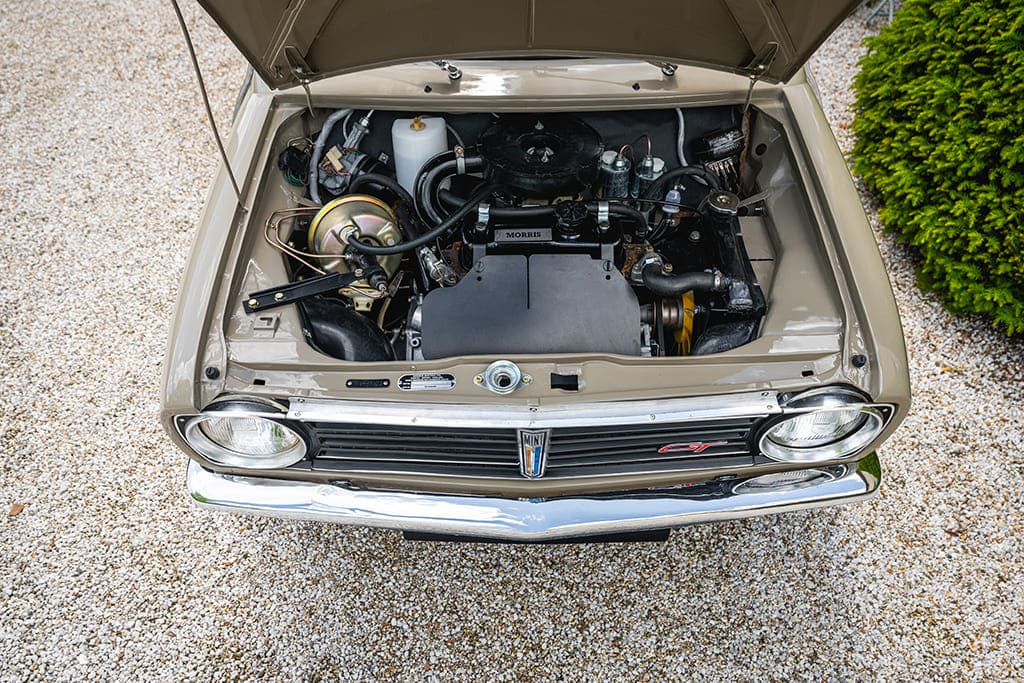
The Morris badge deserves a moment’s attention, because it says something about the era. When British Leyland took control of the British marques at the turn of the 1970s, it ran its production lines in parallel, badging the same Austin or Morris cars depending on the line. Underneath, the mechanics were shared. But the badge carries a period signature that enthusiasts recognise immediately and that discerning collectors seek out with patience.
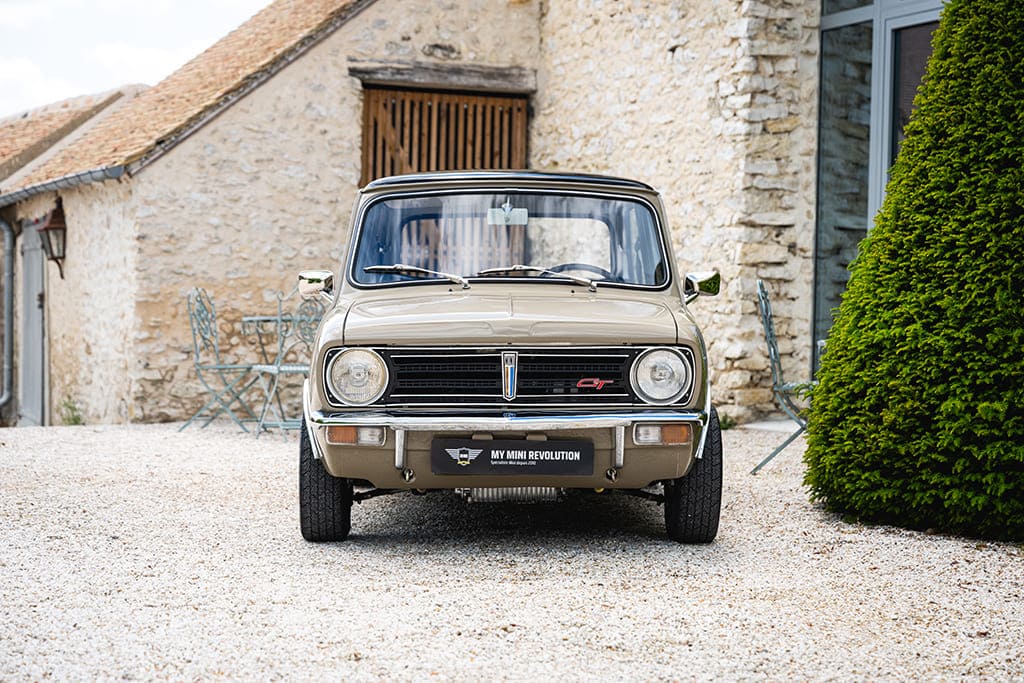
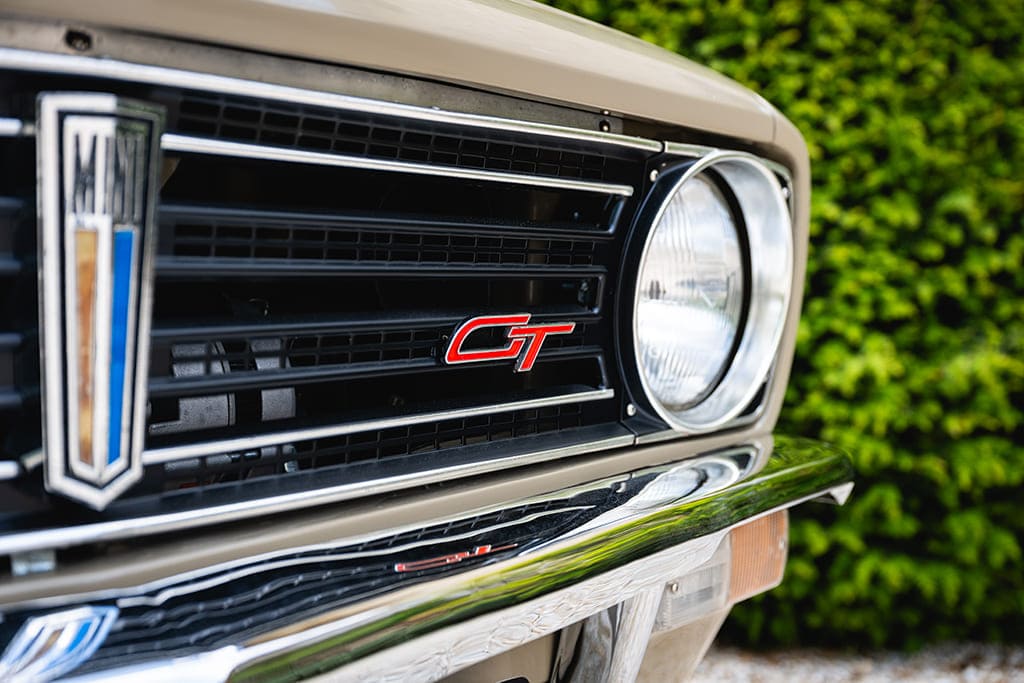
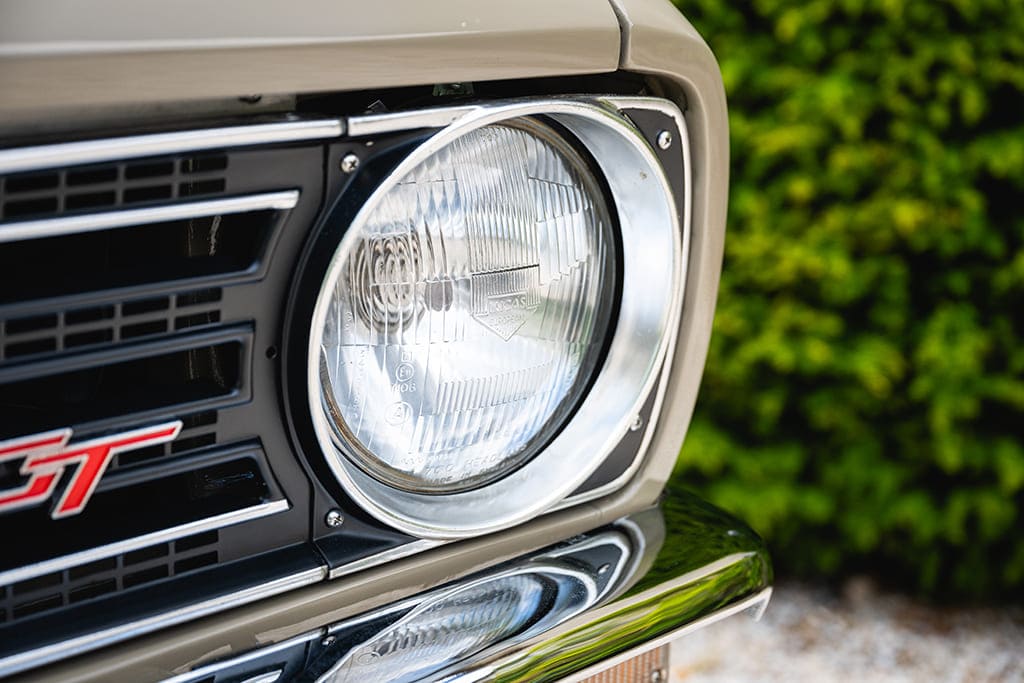
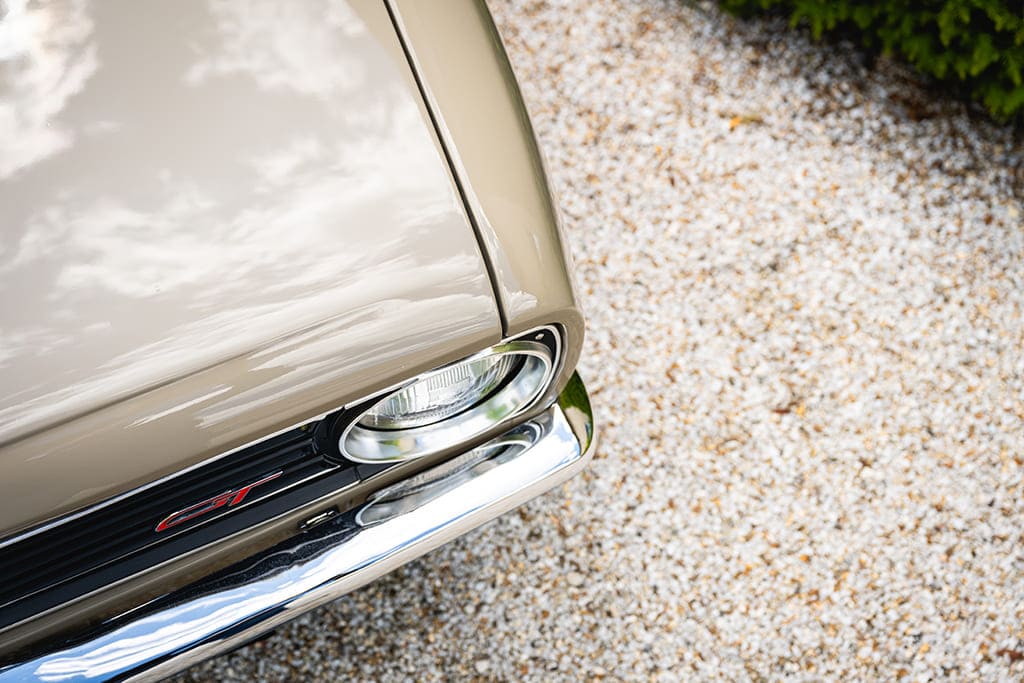
The 1275 GT, when it arrived on the market, was controversial. Some purists criticised it for breaking with the round, organic lines of the original Mini: the more angular nose, the black grille, a silhouette that betrayed the influence of 1970s design on a bodyshell conceived ten years earlier.
British Leyland wanted a Mini in tune with the times, sufficiently differentiated to justify its own commercial identity, and modern enough to appeal to a new generation of buyers.
Time has largely proved them right.
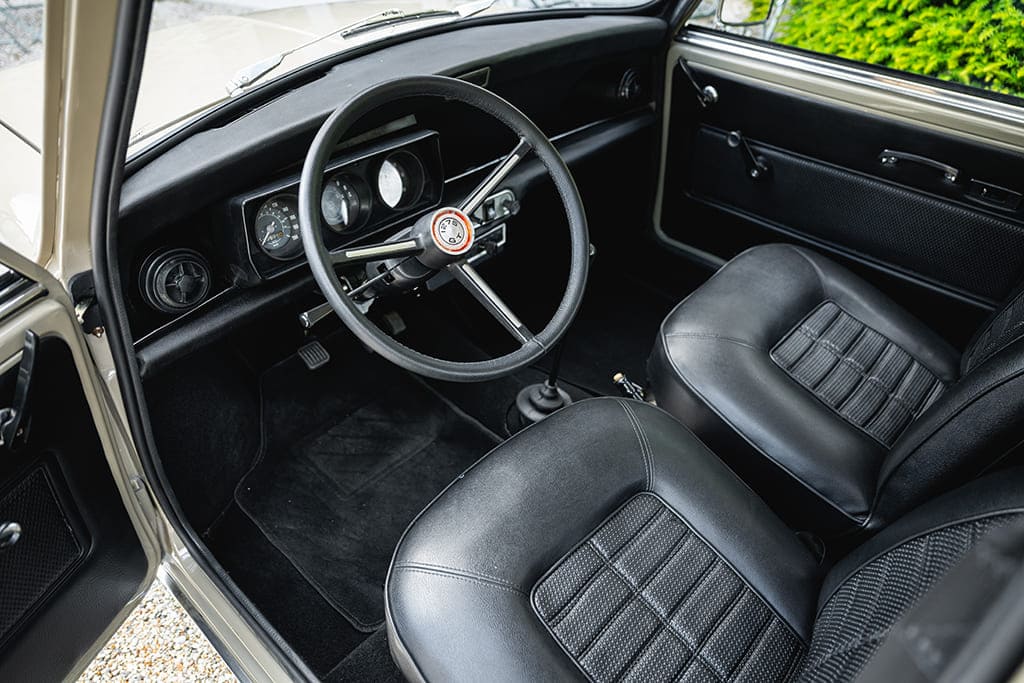
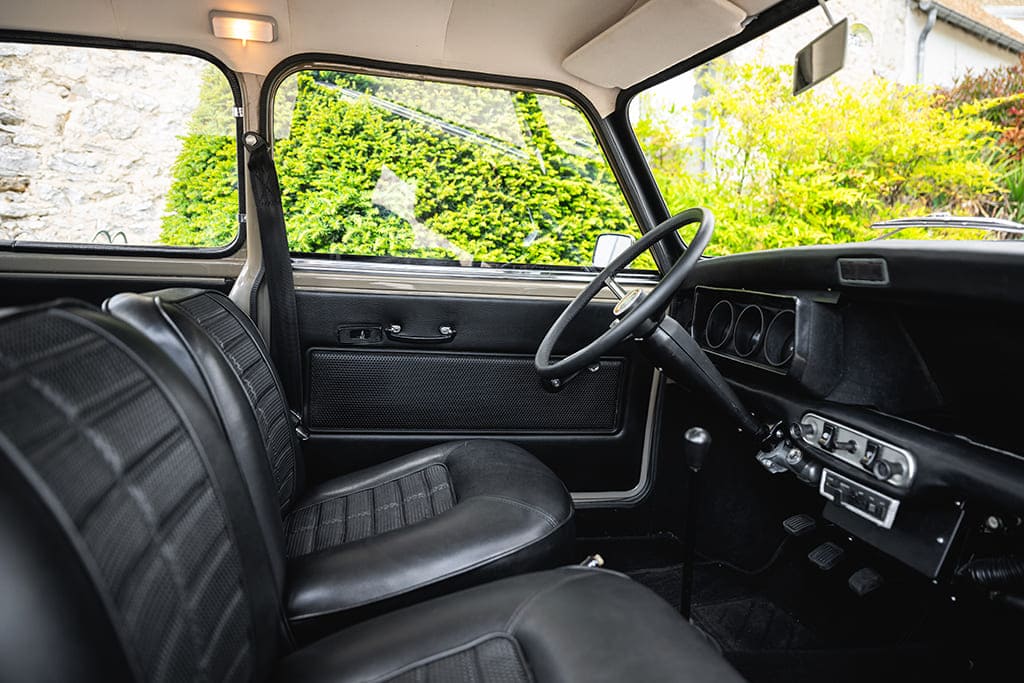
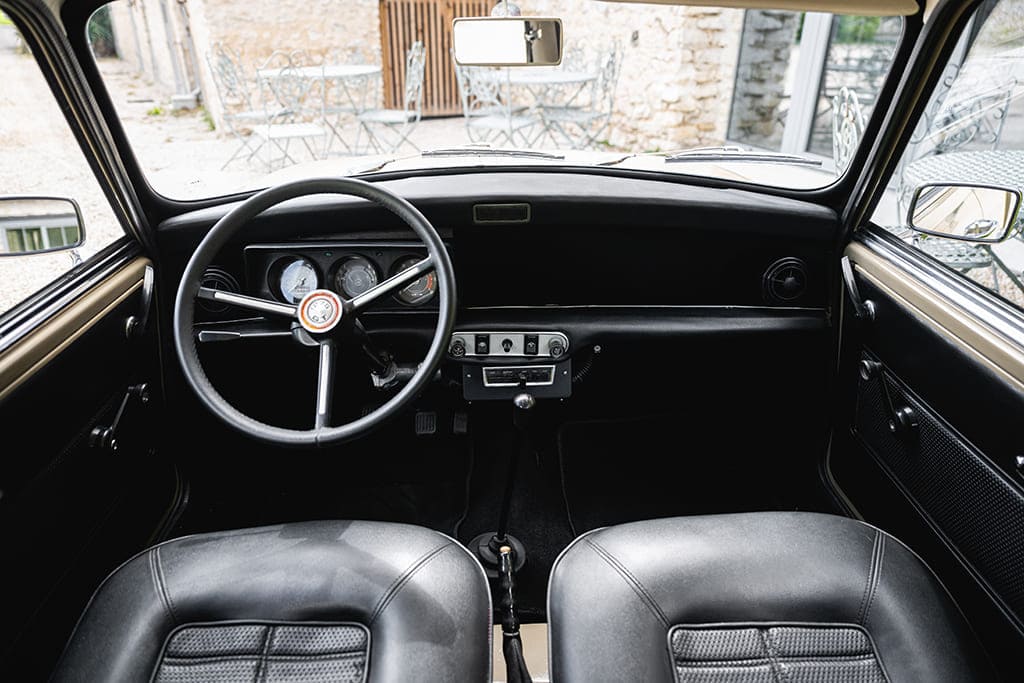
Today, the 1275 GT is unanimously recognised as one of the most desirable Minis of the whole British Leyland period, driven by its 1275 cc engine, by its Remote gearbox mounted on a round tunnel, which the very first examples benefited from, and by its original Hydrolastic suspension, which gives it that particular behaviour, both supple and communicative.
Mechanically, the 1275 GT does not pretend to be a Cooper S, and that is precisely where part of its charm lies. It produces slightly less power, but it brings with it a smoothness of operation and a reliability that make it a very enjoyable car.
Under the bonnet, everything is consistent with the rest of the car. It is immediately clear that this car has been restored with the same care given to every other square centimetre of the bodywork.
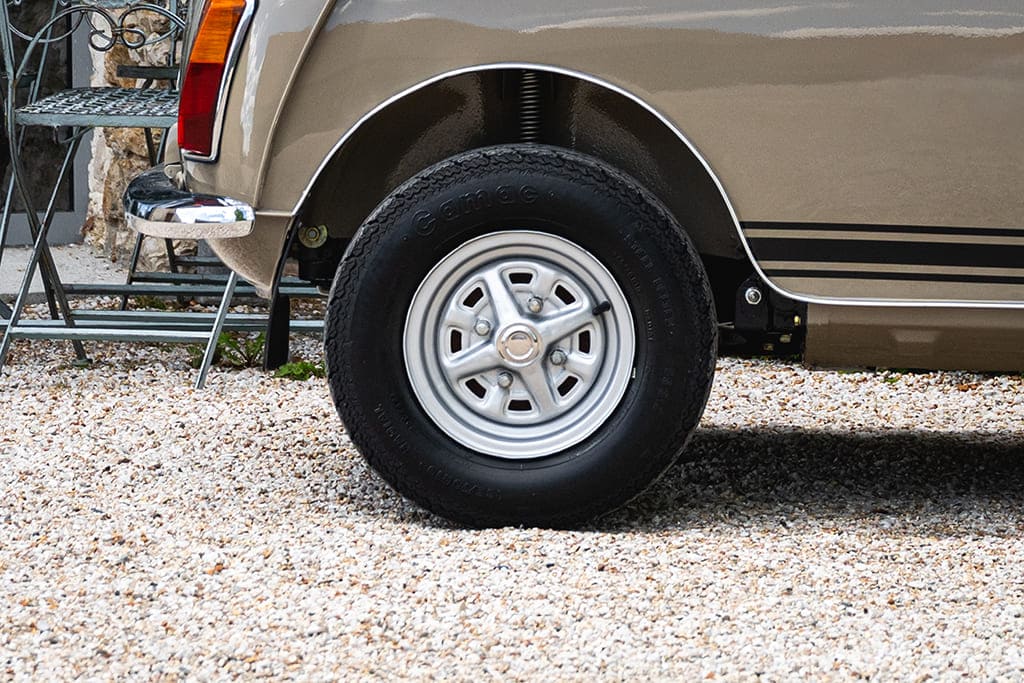
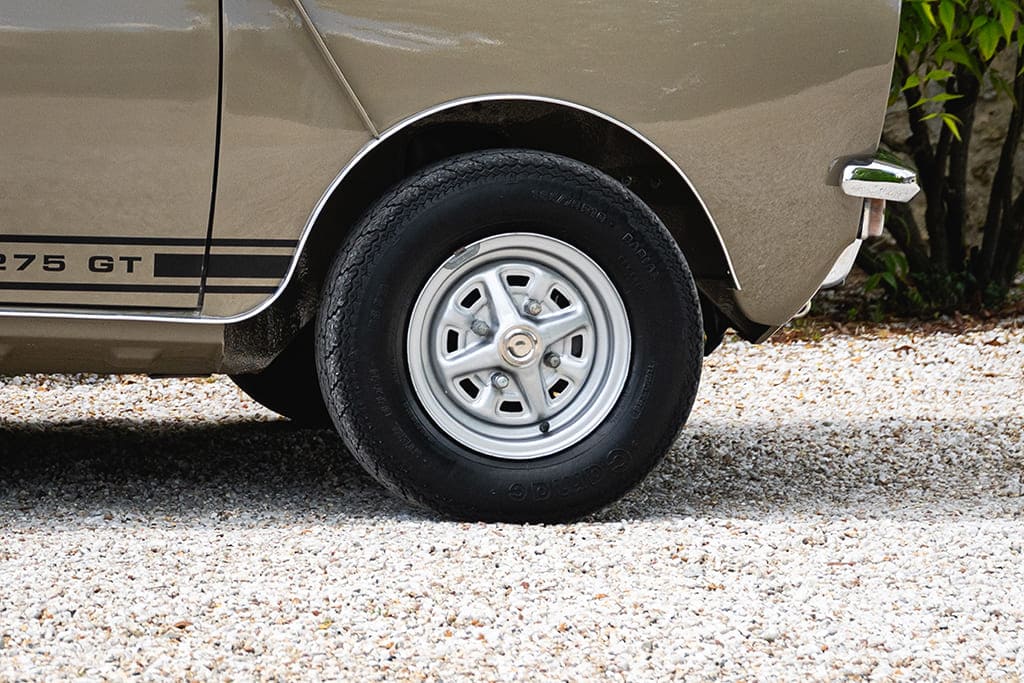
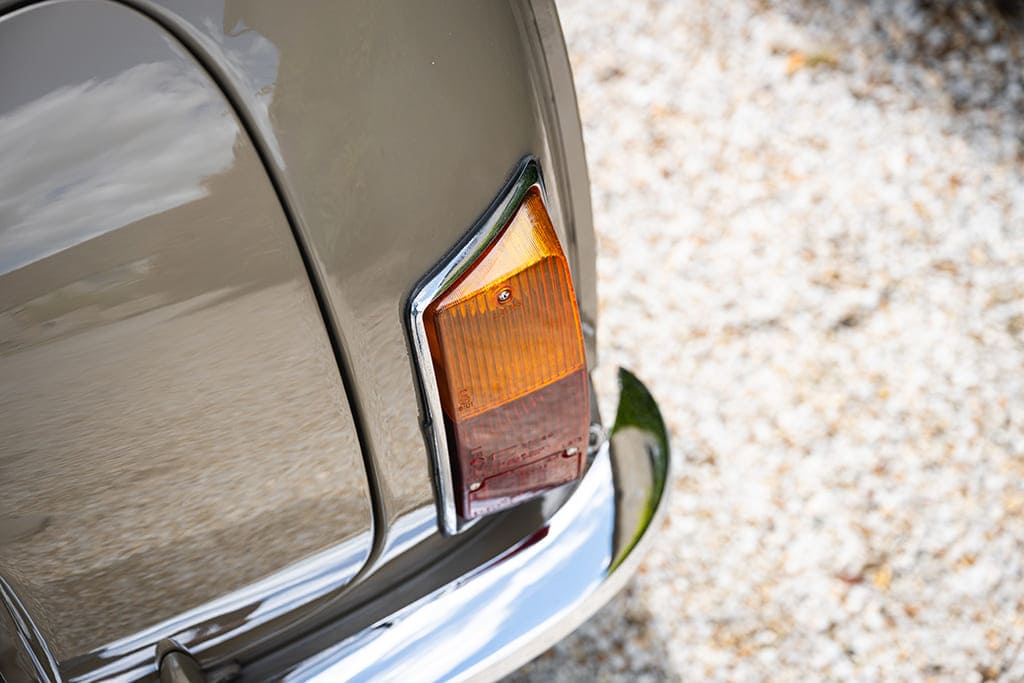
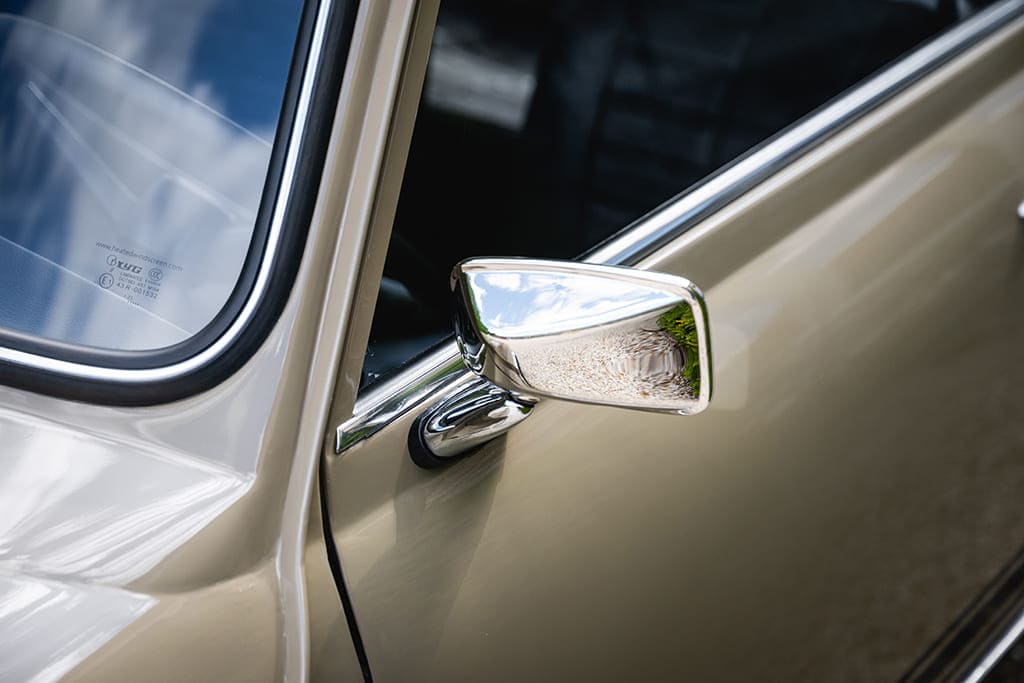
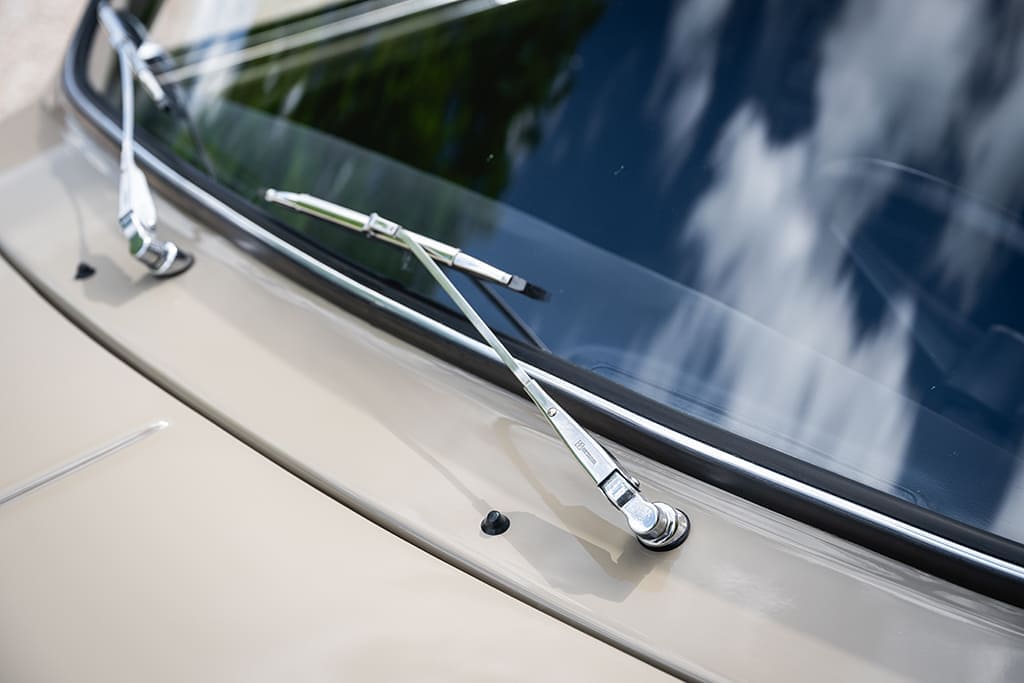
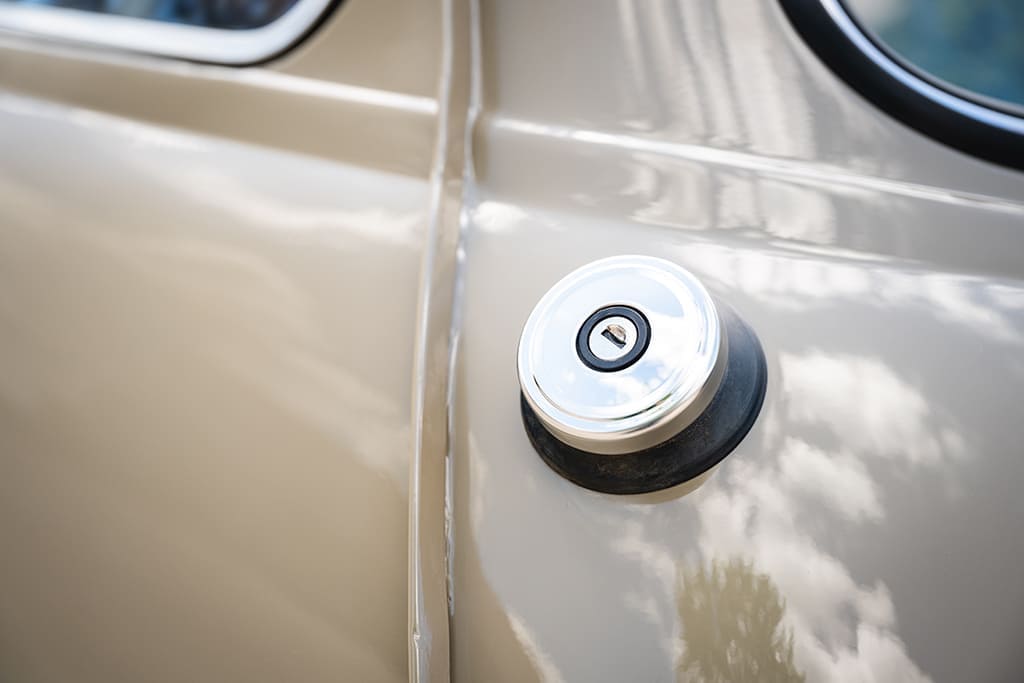
Because this 1275 GT has been fully restored from the bare shell, without exception and without shortcuts. Everything was dismantled, each panel inspected with a rigour that admits no compromise, the areas that needed it cut out and welded back in with a precision that only craftsmen who truly love what they do are able to achieve, and the whole was rebuilt in strict accordance with the original configuration.
Fifty years after its birth, it presents itself in a condition that commands respect and admiration, and bears witness to what a workshop that refuses to compromise on excellence can achieve.
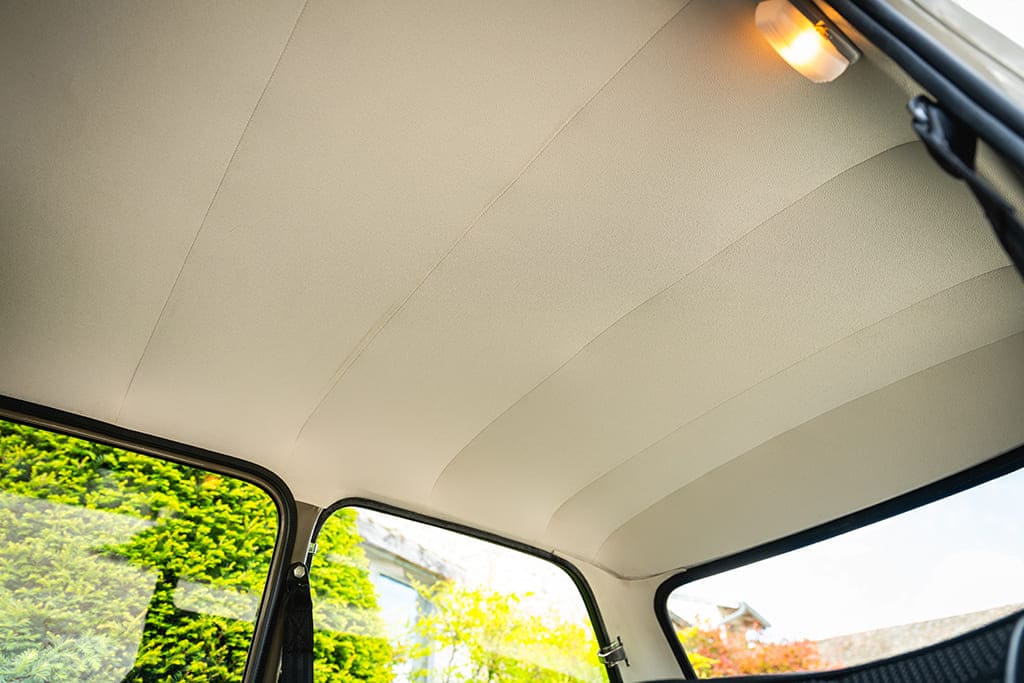
The Antelope Beige colour paired with the black roof forms a combination of rare elegance on a Mini of this generation.
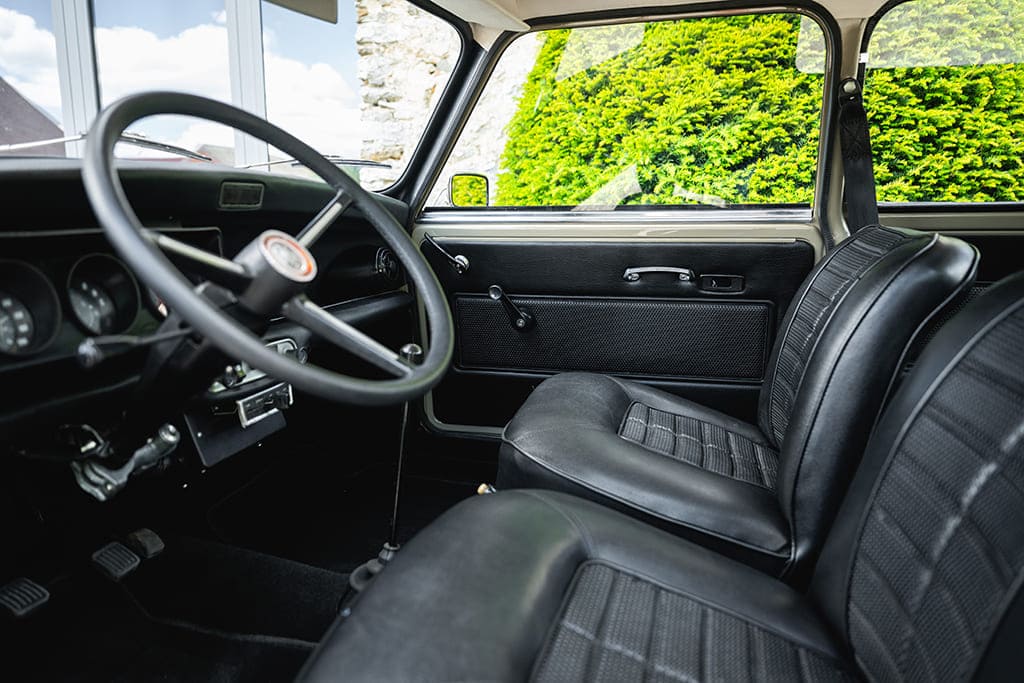
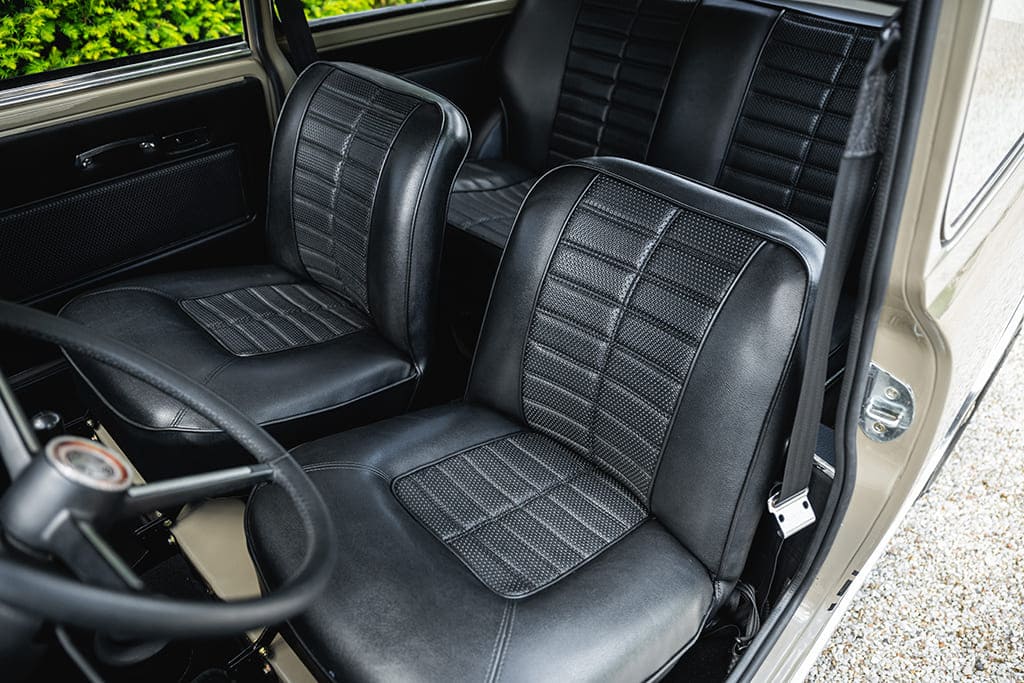
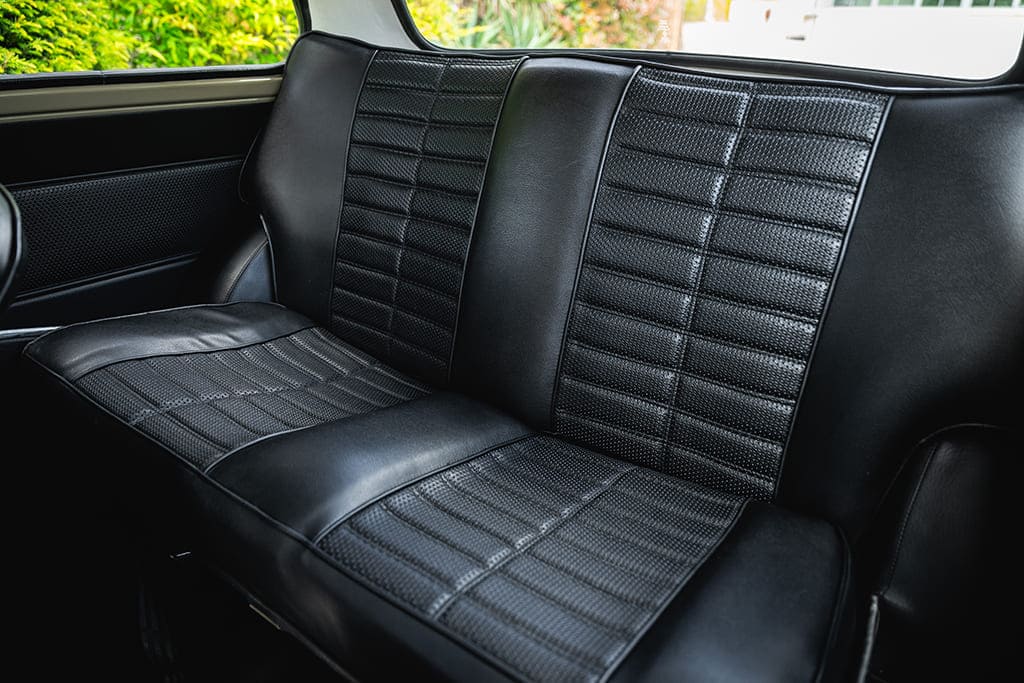
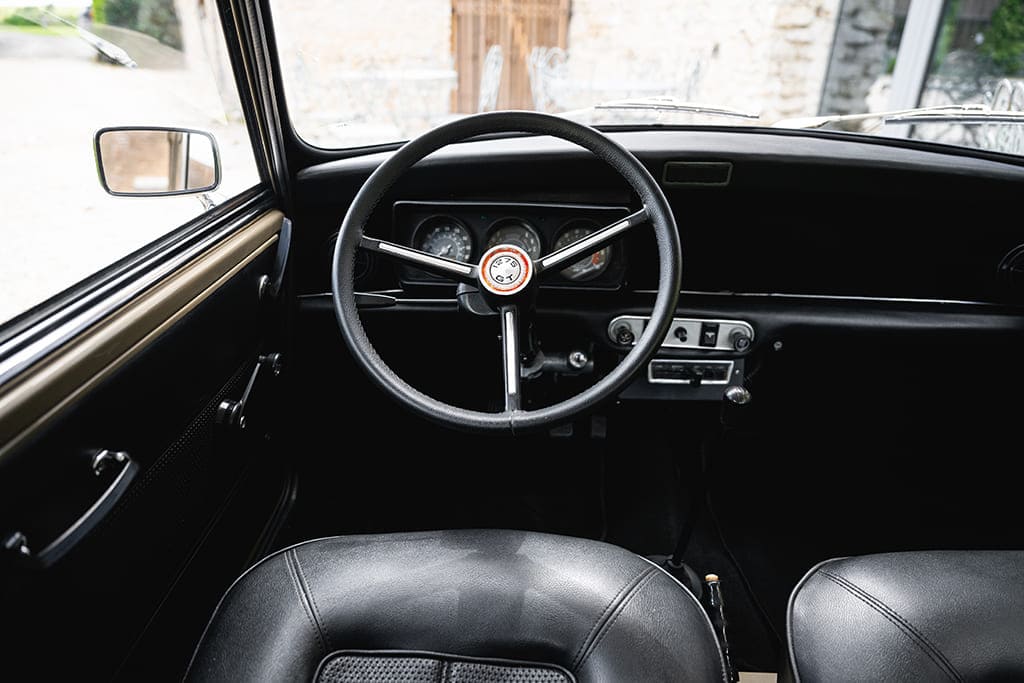
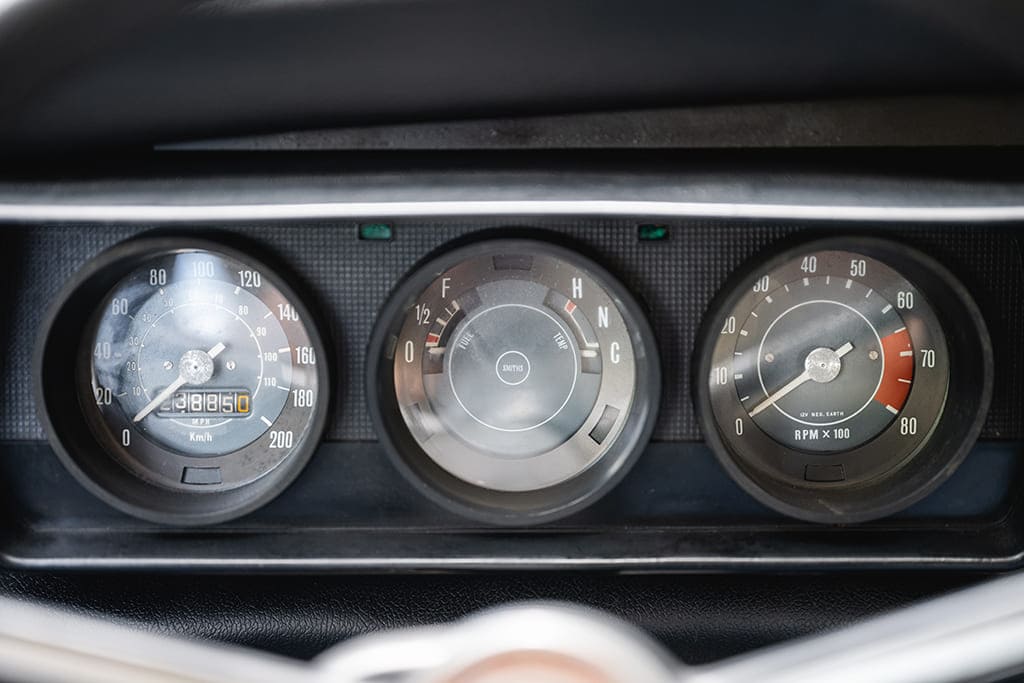
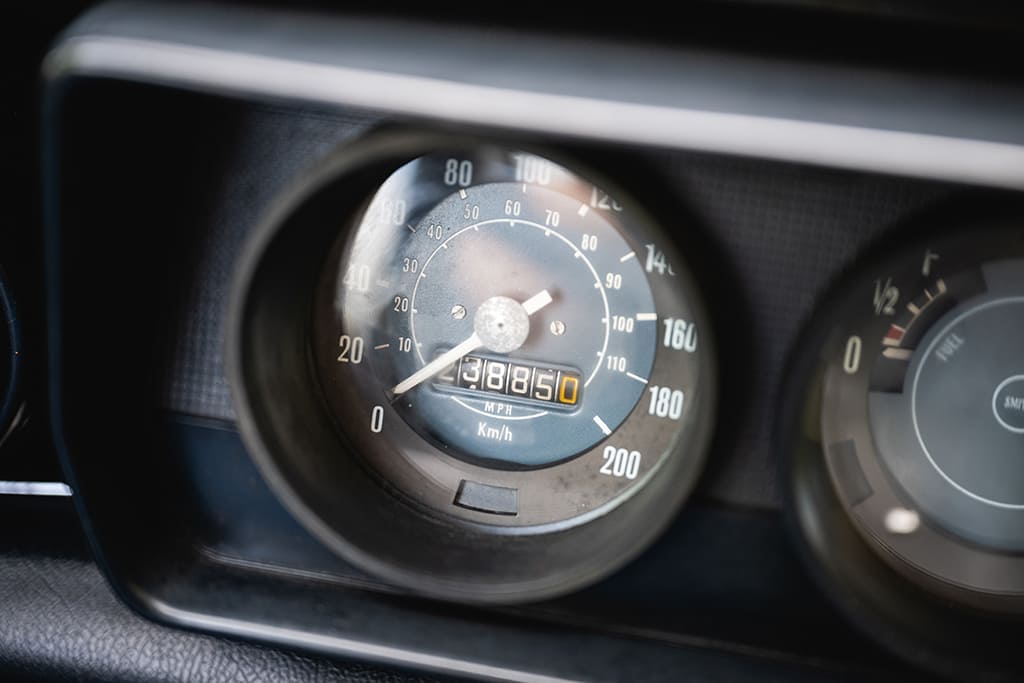
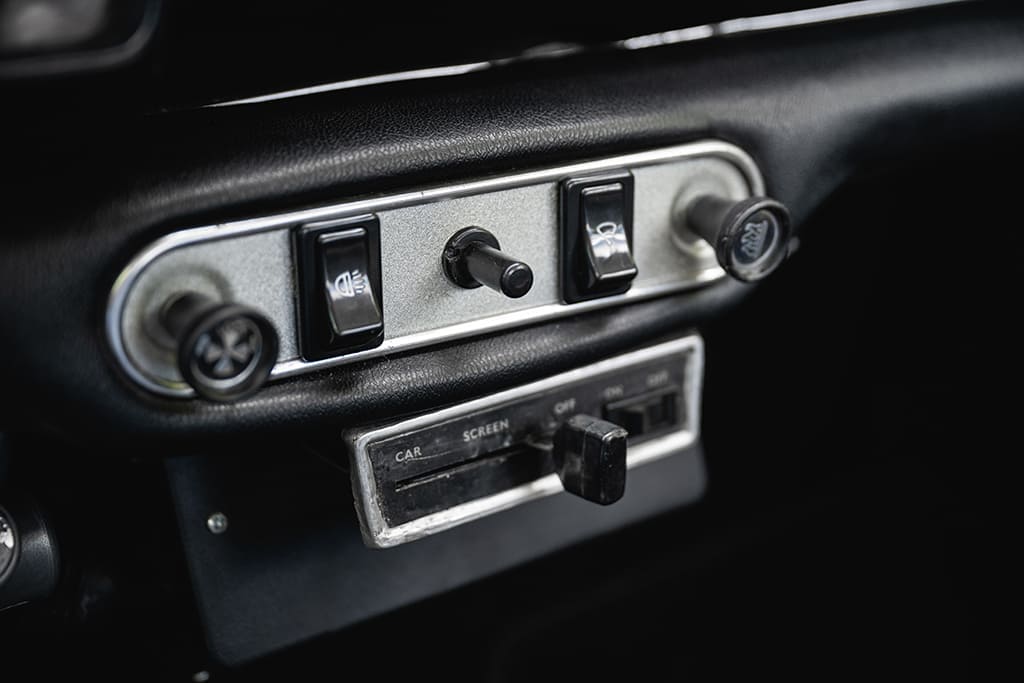
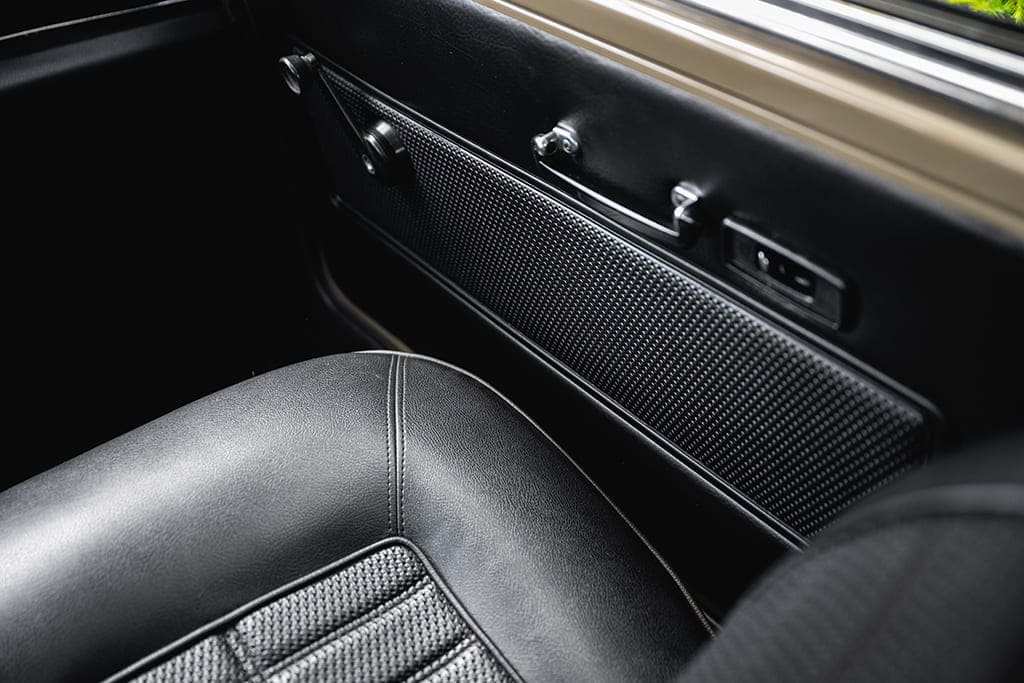
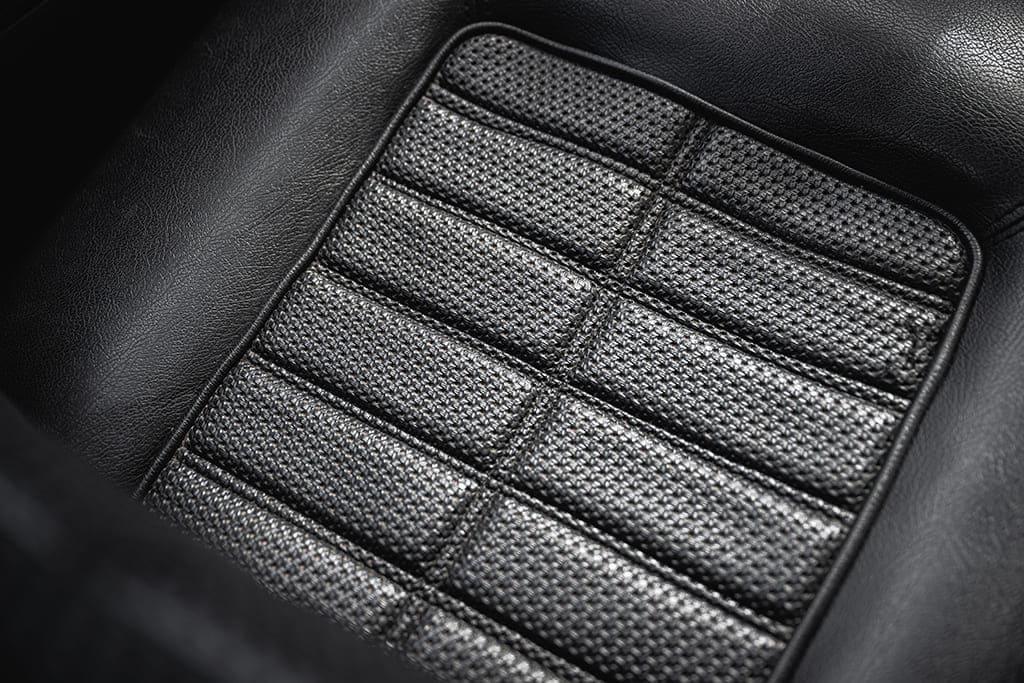
Inside, the interior is in a remarkable condition, without fault or false note. The black upholstery is superb in its finish, and the Smiths triple-gauge dashboard is perfectly in place with its speedometer, tachometer and combined fuel and temperature gauge. The rocker switches, the dashboard, the gear lever on its characteristic round tunnel of the early 1275 GTs — everything breathes an authenticity that hasty restorations never quite manage to recapture.
A rare and remarkable car, which will delight any lover of fine Minis. A genuine, uncommon collector’s piece!